 Image 1 sur 4
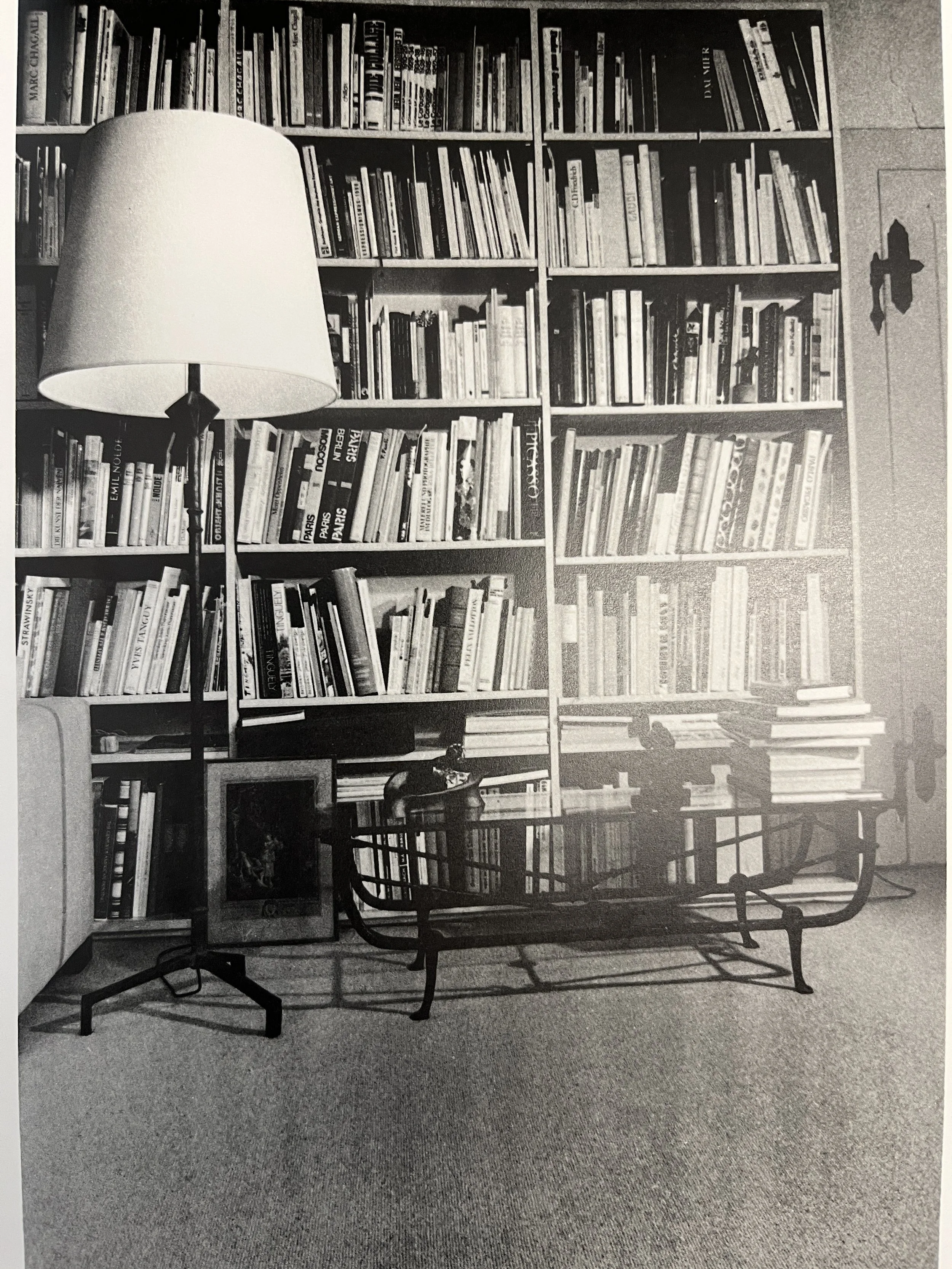 Image 2 sur 4
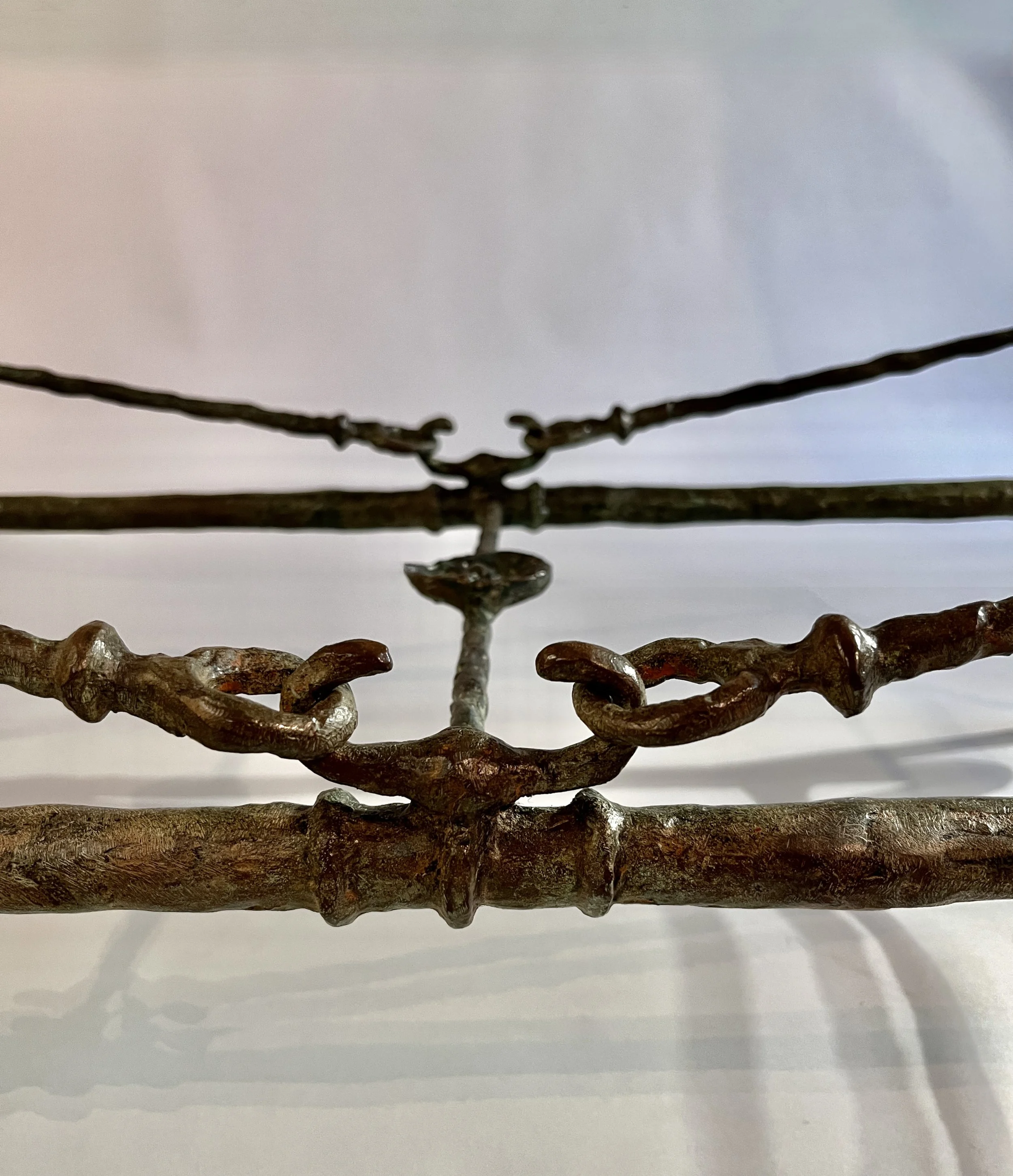 Image 3 sur 4
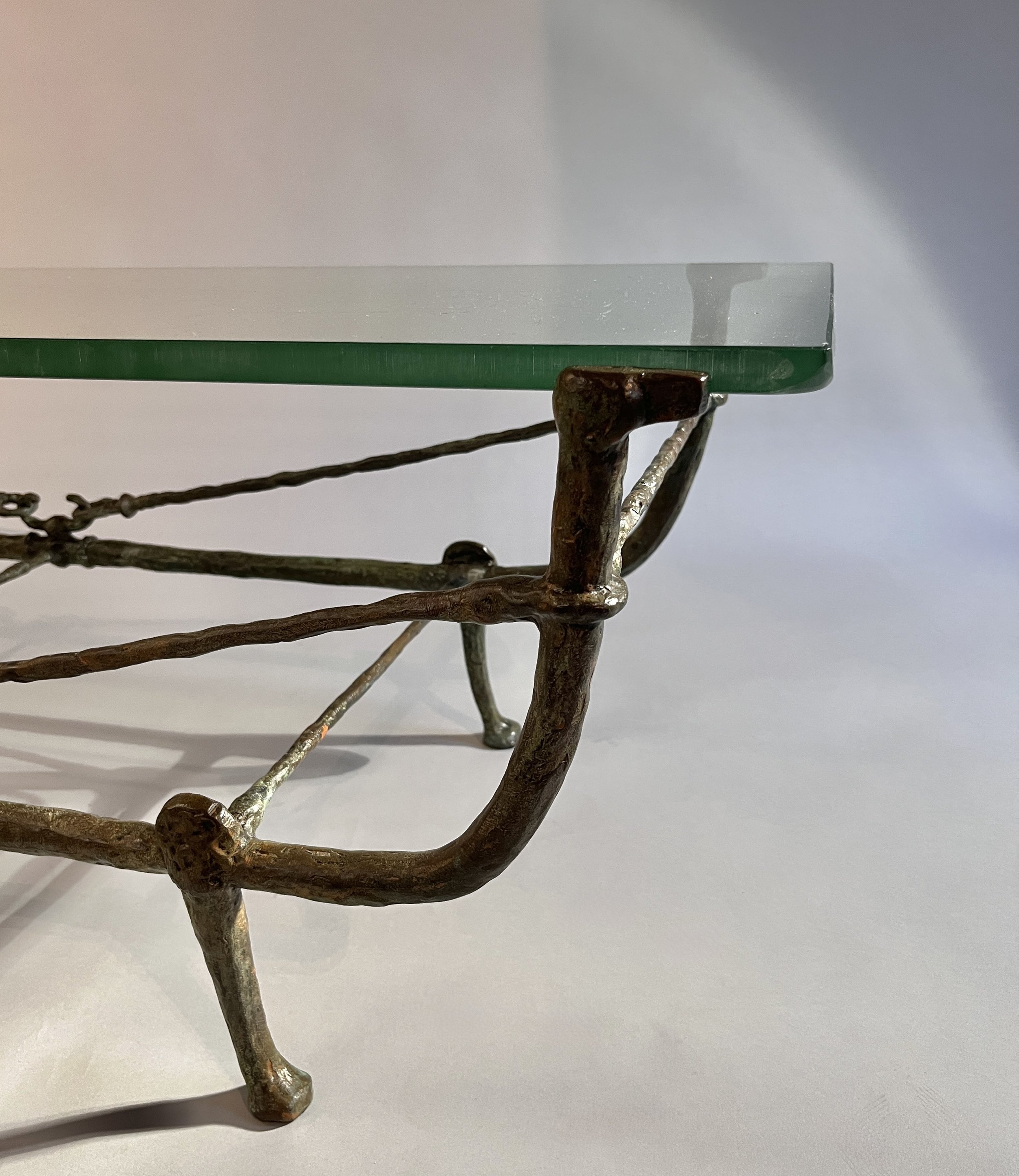 Image 4 sur 4
Diégo GIACOMETTI (1902-1985)
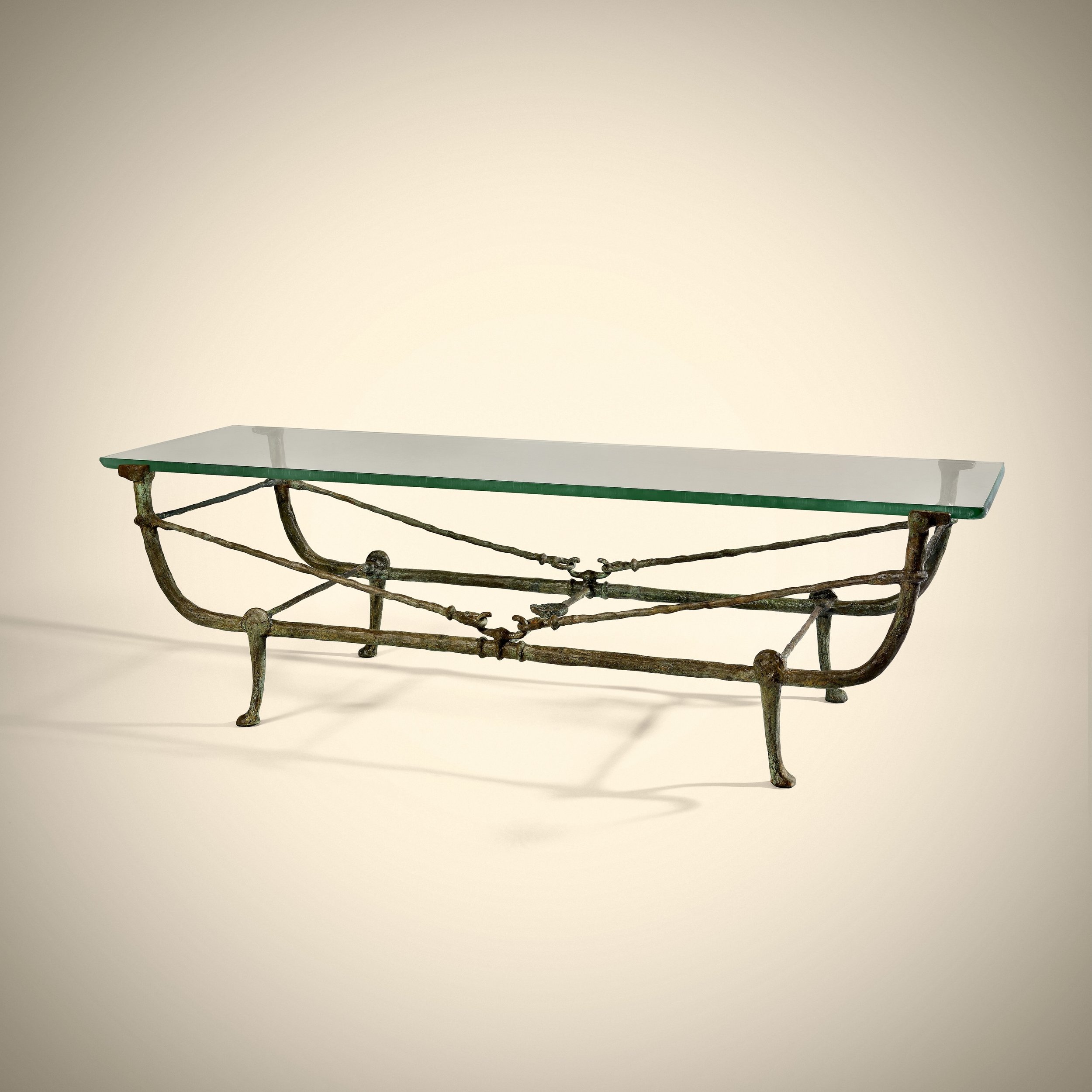
Table basse « Berceau », seconde version, circa 1970
En bronze patiné vert et brun, verre d’origine comportant des rayures d’usage
« Berceau » low table, second version, circa 1970
in green and brown patinated bronze, original glass with scratches from use.
Le certificat Vincenot, mandaté par les ayants droits de l’artiste, sera remis à l’acquéreur.
The certificate Vincenot, mandated by the rights holders of the artist, will be given to the purchaser.
DIMENSIONS : Hauteur 38,5 cm / Height 15,1 inc.
Longueur 126 cm / Length 49,6 inc.
Largeur 43 cm / Width 16,9 inc.
PROVENANCE :
Acquise directement auprès de l'artiste dans son atelier vers 1970, par l'entremise d'Hélène Kann-Bokanowski, une amie commune. Collection privée, Paris
BIBLIOGRAPHIE :
Daniel Marchesseau « Diego Giacometti », Ed. Adrien Maeght 2018, pages 30 et 102.
Michel Butor « Diego Giacometti », Ed. Hermann 1985, pages 142.
NOTES :
C’est après la mort de son frère en 1966 que Diego se fait un nom. Sa rencontre avec le couple Maeght va le propulser au plus haut. Il réalise d’importants travaux pour de grands décorateurs comme Georges Geffroy ou Henry Samuel, ou encore un ensemble de mobiliers pour des musées (Fondation Maeght, musée Marc Chagall). Sa commande la plus importante fut celle du Musée Picasso à l’Hôtel Salé.
La table Berceau est une pièce emblématique dans l’œuvre de Diégo Giacometti. Il en réalisera deux versions, une vers 1963 et l’autre vers 1970. Cette table sera d’ailleurs exposée au Musée des Arts Décoratifs lors de la rétrospective Diégo Giacometti en 1986.
C’est une pièce sculpturale qui fait directement référence au mobilier étrusque par les terminaisons hautes du piétement en forme de tête de chien stylisé et par ses traverses obliques s’accrochant à des demi-anneaux. Le travail de patine accentue également ce rapprochement au mobilier antique, comme si cette table venait juste d’être découverte dans une fouille archéologique.
It was after the death of his brother in 1966 that Diego made a name for himself. His meeting with the Maeght couple will propel him to the highest. He created important works for great decorators such as Georges Geffroy or Henry Samuel, or even a set of furniture for museums (Maeght Foundation, Marc Chagall Museum). His most important commission was the one for the Picasso Museum at the Hôtel Salé.
The Berceau table is an emblematic piece in the work of Diégo Giacometti. He produced two versions, one around 1963 and the other around 1970. This table was also exhibited at the Musée des Arts Décoratifs during the Diégo Giacometti retrospective in 1986.
It is a sculptural piece that makes direct reference to Etruscan furniture by the high ends of the legs in the shape of a stylized dog's head and by its oblique crosspieces clinging to half-rings. The patina work also accentuates this connection to antique furniture, as if this table had just been discovered in an archaeological dig.
Diégo GIACOMETTI (1902-1985)
Table basse « Berceau », seconde version, circa 1970
En bronze patiné vert et brun, verre d’origine comportant des rayures d’usage
« Berceau » low table, second version, circa 1970
in green and brown patinated bronze, original glass with scratches from use.
Le certificat Vincenot, mandaté par les ayants droits de l’artiste, sera remis à l’acquéreur.
The certificate Vincenot, mandated by the rights holders of the artist, will be given to the purchaser.
DIMENSIONS : Hauteur 38,5 cm / Height 15,1 inc.
Longueur 126 cm / Length 49,6 inc.
Largeur 43 cm / Width 16,9 inc.
PROVENANCE :
Acquise directement auprès de l'artiste dans son atelier vers 1970, par l'entremise d'Hélène Kann-Bokanowski, une amie commune. Collection privée, Paris
BIBLIOGRAPHIE :
Daniel Marchesseau « Diego Giacometti », Ed. Adrien Maeght 2018, pages 30 et 102.
Michel Butor « Diego Giacometti », Ed. Hermann 1985, pages 142.
NOTES :
C’est après la mort de son frère en 1966 que Diego se fait un nom. Sa rencontre avec le couple Maeght va le propulser au plus haut. Il réalise d’importants travaux pour de grands décorateurs comme Georges Geffroy ou Henry Samuel, ou encore un ensemble de mobiliers pour des musées (Fondation Maeght, musée Marc Chagall). Sa commande la plus importante fut celle du Musée Picasso à l’Hôtel Salé.
La table Berceau est une pièce emblématique dans l’œuvre de Diégo Giacometti. Il en réalisera deux versions, une vers 1963 et l’autre vers 1970. Cette table sera d’ailleurs exposée au Musée des Arts Décoratifs lors de la rétrospective Diégo Giacometti en 1986.
C’est une pièce sculpturale qui fait directement référence au mobilier étrusque par les terminaisons hautes du piétement en forme de tête de chien stylisé et par ses traverses obliques s’accrochant à des demi-anneaux. Le travail de patine accentue également ce rapprochement au mobilier antique, comme si cette table venait juste d’être découverte dans une fouille archéologique.
It was after the death of his brother in 1966 that Diego made a name for himself. His meeting with the Maeght couple will propel him to the highest. He created important works for great decorators such as Georges Geffroy or Henry Samuel, or even a set of furniture for museums (Maeght Foundation, Marc Chagall Museum). His most important commission was the one for the Picasso Museum at the Hôtel Salé.
The Berceau table is an emblematic piece in the work of Diégo Giacometti. He produced two versions, one around 1963 and the other around 1970. This table was also exhibited at the Musée des Arts Décoratifs during the Diégo Giacometti retrospective in 1986.
It is a sculptural piece that makes direct reference to Etruscan furniture by the high ends of the legs in the shape of a stylized dog's head and by its oblique crosspieces clinging to half-rings. The patina work also accentuates this connection to antique furniture, as if this table had just been discovered in an archaeological dig.